Finished a game? See what to play next.
A game is what you do in it. You’ll see games that keep what you enjoyed doing, and what each one adds.
Or pick one
- Grand Theft Auto V Legacy
- Terraria
- Garry’s Mod
- Black Myth: Wukong
- ELDEN RING
- Cyberpunk 2077
- Left 4 Dead 2
- Stardew Valley
- Red Dead Redemption 2
- The Witcher 3: Wild Hunt
- Euro Truck Simulator 2
- Baldur’s Gate 3






More gamesFewer games
- Phasmophobia
- ARK: Survival Evolved
- Call of Duty®
- Geometry Dash
- PAYDAY 2
- The Forest
- Rocket League®
- Hollow Knight
- Valheim
- Don’t Starve Together
- Monster Hunter: World
- Lethal Company
- Dying Light
- The Binding of Isaac: Rebirth
- Portal 2
- Palworld
- BeamNG.drive
- DARK SOULS™ III
- Hollow Knight: Silksong
- Project Zomboid
- Fallout 4
- Bloons TD 6
- 7 Days to Die
- Subnautica
- R.E.P.O.
- Hearts of Iron IV
- No Man’s Sky
- Raft
- Sid Meier’s Civilization® VI
- Deep Rock Galactic
- Undertale
- People Playground
- The Elder Scrolls V: Skyrim Special Edition
- Sekiro™: Shadows Die Twice - GOTY Edition
- Hogwarts Legacy
- PEAK























How it works
Say you just finished Cyberpunk 2077.
In it you level up a character and shoot in first person, so Next Up looks for games that keep those and add something new. One card from that list:
Cloudpunk
What carries over
- Keeps: level up a character
- Doesn’t keep: shoot in first person
What changes
New here: drive, a female lead
Why you’d like it
Cloudpunk shares Cyberpunk 2077’s neon cyberpunk city setting, but you spend one night as a delivery driver flying a hover car.
In Sticky Business you: solve puzzles, live a daily life
1,731 of 20,285 games share what you do. These 10 fit best.

Your party Games like Sticky Business
Keeps what you do. Adds something new.
A Tiny Sticker Tale
See on Steam: A Tiny Sticker Tale (opens in a new tab)- Keeps: solve puzzles
- Doesn’t keep: live a daily life
New here: set up teams that fight alone, an emotional story
Why you’d like it: Sticker puzzles carry over, but here you turn things from the world into stickers and stick them elsewhere to help friends.
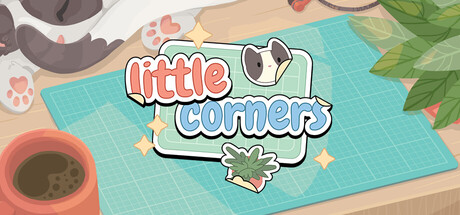
Little Corners
See on Steam: Little Corners (opens in a new tab)- Doesn’t keep: solve puzzles
- Keeps: run a simulation
New here: do a hobby, a level editor
Why you’d like it: You still work with stickers, but here you peel and place them across tiny windows into different worlds.
Sticker Craft
See on Steam: Sticker Craft (opens in a new tab)- Keeps: solve puzzles
- Doesn’t keep: live a daily life
New here: not in its tags yet
Why you’d like it: Puzzles carry over, but here you solve them by combining stickers, like Water and Lake, into new ones.


Reserve
Show 7 moreShow fewer
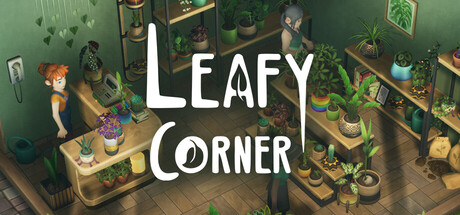
Leafy Corner
See on Steam: Leafy Corner (opens in a new tab)- Doesn’t keep: solve puzzles
- Keeps: live a daily life
New here: run an operation, nature
Alchemy Garden
See on Steam: Alchemy Garden (opens in a new tab)- Doesn’t keep: solve puzzles
- Keeps: live a daily life
New here: make money, nature
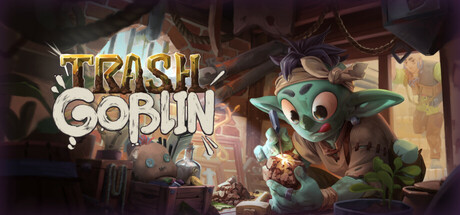
Trash Goblin
See on Steam: Trash Goblin (opens in a new tab)- Doesn’t keep: solve puzzles
- Keeps: live a daily life
New here: run a shop, a fantasy world
A Little to the Left
See on Steam: A Little to the Left (opens in a new tab)- Keeps: solve puzzles
- Doesn’t keep: live a daily life
New here: work things out, cats
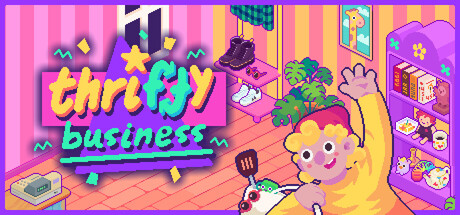
Thrifty Business
See on Steam: Thrifty Business (opens in a new tab)- Keeps: solve puzzles
- Keeps: live a daily life
New here: run a shop, a big story
Urban Jungle
See on Steam: Urban Jungle (opens in a new tab)- Keeps: solve puzzles
- Keeps: run a simulation
New here: chase high scores, cats
Pet Shop Simulator
See on Steam: Pet Shop Simulator (opens in a new tab)- Doesn’t keep: solve puzzles
- Keeps: live a daily life
New here: run an operation, learning




Played one of these? See what to play after it: Leafy CornerAlchemy GardenTrash GoblinA Little to the LeftThrifty BusinessUrban Jungle
AI wrote the “Why you’d like it” lines, and a second AI pass checked them against each game’s store page. They can be wrong, so check the store page before you buy.
How this list was made
1,731 of 20,285 games share what you do. These 10 fit best.
What gets in
A game is what you do in it, so a pick has to share what players say you do most. If fewer than ten games earn a place, the list stays short.
Lists use the tags Steam players vote on, plus each game’s Steam store page.
Less played means far fewer Steam reviews than the game you finished. Mixed reviews means 60 to 69% of its Steam reviews are positive.
What only changes the order
A shared setting, look or popularity can move a game up or down, but it can’t put a game on the list by itself. Being set in space, for example, isn’t enough: a pick has to keep something you do.
What isn’t known
No players have tested this. Newer and smaller games have less data.